

High Blood Pressure Specialist in Galloway, NJ
High blood pressure can be easy to overlook because most people feel perfectly normal even when their readings are consistently elevated. If you are searching for a high blood pressure specialist in Galloway, NJ, SMC Physicians provides nephrology and hypertension care at two Galloway locations. Their specialists evaluate difficult-to-control blood pressure, look for conditions that may be contributing to hypertension, and develop individualized plans aimed at reducing long-term health risks.
Getting blood pressure under control matters for more than just your heart. Unmanaged hypertension can affect the blood vessels, kidneys, brain, and other organs over time, making ongoing monitoring and treatment a vital part of preventive care.
 What Is Considered High Blood Pressure?
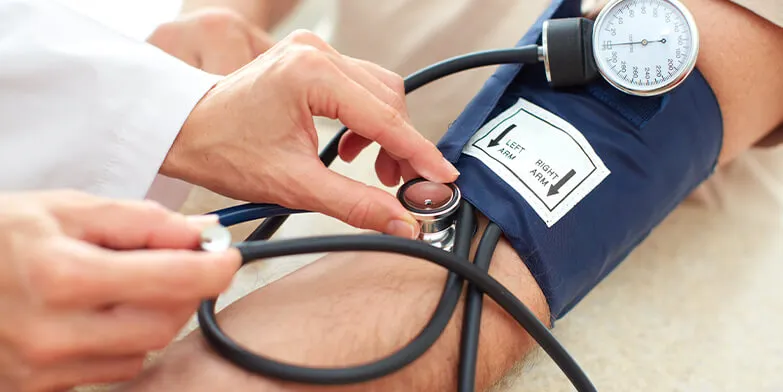 What Is Considered High Blood Pressure?
High blood pressure, also called hypertension, occurs when the force of blood pushing against the walls of your blood vessels remains too high. Blood pressure is recorded using two numbers: systolic pressure, the top number, and diastolic pressure, the bottom number.
Current American Heart Association and American College of Cardiology guidelines classify normal blood pressure as less than 120/80 mm Hg. Stage 1 hypertension is 130–139 systolic or 80–89 diastolic, while stage 2 hypertension begins at 140 systolic or 90 diastolic.
One elevated reading does not always tell the whole story. Your physician may use repeated office measurements, home readings, and information about your overall health before determining how your blood pressure should be managed.
Can You Have High Blood Pressure Without Symptoms?
Yes. Most people with hypertension have no obvious symptoms, even when their blood pressure has been elevated for some time. Checking your blood pressure is the only reliable way to know whether it is high.
Waiting until you feel unwell can allow hypertension to go unnoticed for years. Regular measurements become particularly important if you have other risk factors or have previously been told that your readings are borderline or elevated.
If your numbers have started creeping upward, bringing a record of recent readings to your appointment can give your provider a clearer picture of what is happening outside the medical office.
What Causes High Blood Pressure?
For many adults, hypertension develops gradually rather than having one identifiable cause. Age, family history, excess sodium intake, obesity, limited physical activity, and other lifestyle and health factors can increase the likelihood of developing high blood pressure.
Sometimes another medical condition contributes to hypertension. Kidney disease is particularly important because the kidneys help regulate fluid and salt balance, both of which influence blood pressure.
Certain medications and other health conditions can also affect your readings. A specialist can review your medical history, current medications, laboratory results, and other factors, particularly when blood pressure remains difficult to control.
Why Does a Kidney Specialist Treat High Blood Pressure?
The kidneys and blood pressure are closely connected. High blood pressure can damage the small blood vessels and filtering structures inside the kidneys, while declining kidney function can make it harder for the body to remove excess salt and fluid.
This can create a cycle in which hypertension contributes to kidney damage, while kidney disease in turn makes hypertension more difficult to manage. SMC Physicians combines nephrology and hypertension care, allowing specialists to evaluate both concerns together when appropriate.
For patients with chronic kidney disease, managing blood pressure is one of the most important parts of protecting remaining kidney function.
What Is Resistant Hypertension?
Resistant hypertension describes blood pressure that remains above goal despite treatment with several blood pressure medications and appropriate lifestyle measures. When this happens, additional evaluation may be needed to determine why the pressure is not responding as expected.
Sometimes the treatment plan needs to be adjusted. In other cases, another condition may be contributing to the problem.
Seeing a specialist can be especially useful when your readings remain high despite following your prescribed treatment or when several medications have not produced adequate control.
How Is High Blood Pressure Evaluated?
Evaluation starts with accurate blood pressure measurements and a detailed medical history. Your physician will want to know about your previous readings, medications, family history, lifestyle, and other medical conditions.
Blood and urine tests may be ordered when there is concern about kidney function or another underlying cause. Your specialist may also recommend monitoring your blood pressure at home to see how readings change throughout normal daily life.
SMC Physicians even offers a Remote Patient Monitoring program for eligible Medicare patients with hypertension. Participants can use a connected blood pressure monitor at home so readings can be followed remotely and concerning changes can be addressed sooner.
How Is High Blood Pressure Treated?
Treatment depends on how high your blood pressure is and your overall cardiovascular and kidney risk. Lifestyle changes, prescription medication, or a combination of both may be recommended.
Lifestyle measures can include reducing excess dietary sodium, maintaining a healthy weight, staying physically active, limiting alcohol, and following an eating pattern that supports cardiovascular health. Your physician can help determine which changes are most relevant to you.
Some patients also need one or more blood pressure medications. The appropriate medication and blood pressure target depend on factors such as kidney function, diabetes, cardiovascular disease, age, and other health conditions.
When Is Very High Blood Pressure an Emergency?
Extremely high blood pressure sometimes requires immediate medical attention. The American Heart Association advises that a reading higher than 180/120 mm Hg accompanied by symptoms such as chest pain, shortness of breath, weakness, numbness, vision changes, back pain, or difficulty speaking can represent a hypertensive emergency requiring a call to 911.
A very high reading without those symptoms still warrants prompt contact with a healthcare professional after repeating the measurement as directed.
Knowing the difference can help you respond appropriately rather than ignoring an unusually high number.
Where Can You Find a High Blood Pressure Specialist in Galloway, NJ?
SMC Physicians offers nephrology and hypertension services at 235 East Jimmie Leeds Road and 415 Chris Gaupp Drive, Suite D, in Galloway, NJ. Both Galloway offices provide coordinated nephrology and hypertension care, giving patients options when choosing a convenient location.
If you are looking for a high blood pressure specialist in Galloway, NJ, contact SMC Physicians today to request an appointment. Whether your hypertension was recently diagnosed, has become difficult to control, or is occurring alongside kidney disease, our specialists can evaluate your readings, identify factors that may be contributing to them, and help you develop a personalized plan for better long-term blood pressure management. Call 609-350-6780 for more information.