Wound Care Near Me
Ideally you only need to search for wound care near me if your wound has stopped healing or if your wound suddenly changes and develops some alarming signs. It’s true that most cuts and wounds recover on their own with home remedies and care. However, if you find that your wound is chronic or not healing you should see a doctor that specializes in wound care. When left untreated your wound can quickly become infected, develop into something more serious, or become worse over time.
SMC Physicians offers state-of-the-art wound care and doctors that will help diagnose, manage, and treat your wound. The physicians here will work with you to develop a treatment plan that promotes healing and helps you manage the medical condition associated with your wound.
 Understanding Chronic Wounds
 Understanding Chronic Wounds
There are many ways to define a chronic wound, but one that is commonly agreed upon is a wound not healing in a predictable amount of time. Most wounds that have not healed within weeks will need further medical intervention to discover why it is taking so long to heal.
Several factors can contribute to chronic wounds, including:
- Diabetes
- Poor circulation
- Infection
- Pressure on the skin
- Swelling in the legs
- Autoimmune conditions
- Reduced mobility
- Poor nutrition
These wounds may start small but can quickly become more serious if left untreated.
Common Types of Wounds Requiring Specialized Care
Doctors who specialize in wound care treat many different types of skin and soft tissue conditions. Chronic wounds develop over time, while others can happen after surgery, trauma, or illness.
Diabetic Foot Ulcers
Diabetes can cause wounds to form on the feet as a result of poor circulation and nerve damage. These wounds may not immediately cause pain so they can become worse before they are treated.
Venous Leg Ulcers
If you have circulation problems in your lower legs, you can develop venous ulcers. They typically develop near the ankle and can cause swelling, skin discoloration, and pain.
Pressure Ulcers
Pressure ulcers occur when blood flow is restricted after sitting or lying in one position for too long. People who are bedridden or sit for long periods may be at risk for these types of wounds.
Surgical Wounds
While most surgical incisions will heal quickly and without complication, there are some wounds that may take longer to heal. If your wound is having trouble healing because of infection, poor circulation, or other medical issues, wound care can assist with proper healing post-surgery.
Traumatic Wounds
If you experience cuts, burns, crush injuries, or skin tears, you may need specialized wound care. Advanced treatment can promote healing and help you avoid potential complications.
Why Professional Wound Care Matters
Why won’t my wound heal? In many cases, wounds don’t heal as they should because you are not treating the cause of the wound. Specialty wound care treats both the wound and the overall health of the patient.
Increasing circulation, managing blood sugar, decreasing pressure, or managing infection could all be involved in your treatment. If you are only treating the wound on the surface of your skin and not what is causing it, you may never see improvement.
Professional wound care can:
- Reduce your chance of infection.
- Improve the time it takes to heal.
- Help prevent tissue damage from becoming worse.
- Decrease pain and discomfort.
- Increase mobility and ability to function.
- Help you avoid hospitalization.
- Avoid amputation.
The earlier you seek treatment, the better. This is particularly important for diabetic or vascular patients because their wounds can quickly worsen.
Advanced Wound Care Treatments
Advanced treatment modalities may be used at wound care centers, including:
- Debridement: Removal of dead tissue that hinders healing and increases infection risk.
- Advanced Dressings: Use of specialized dressings to maintain proper moisture levels and protect against bacteria.
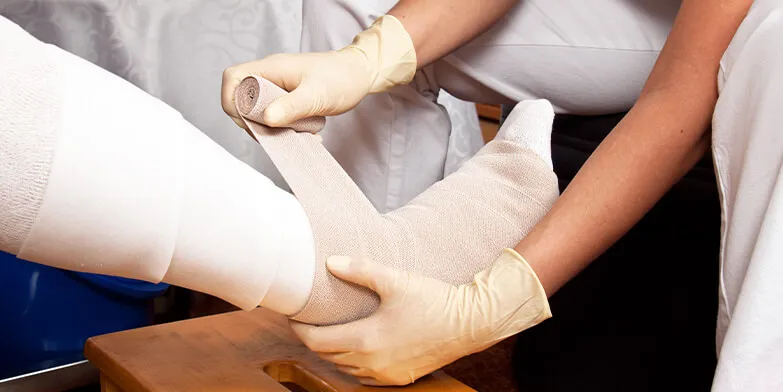
- Compression Therapy: Increases circulation, decreasing swelling in legs for patients with venous ulcers.
- Tissue-Based Therapies: Includes advanced biologics or skin replacement products to promote healing.
- Pressure Relief: Devices, footwear, and positioning to reduce pressure that could harm wounds.
Finding Wound Care Near You
The SMC Physicians Northfield Wound Care Center provides advanced wound care services for patients throughout South Jersey. Their team works with patients experiencing diabetic wounds, circulation-related ulcers, surgical wounds, pressure injuries, and other slow-healing conditions.
If you are searching for wound care near me, call SMC Physicians at (609) 350-6780 to learn more about advanced wound treatment options and request an appointment with our wound care specialists.