Wound Care Specialist in Egg Harbor Township, NJ
A wound care specialist in Egg Harbor Township, NJ, can help patients struggling with diabetic ulcers, circulation problems, pressure injuries, surgical wounds, and other wounds that are not healing as expected. Egg Harbor Township residents can access expert care from the nearby Northfield Wound Care Center, part of SMC Physicians. Our specialists provide personalized chronic wound care that addresses the wound as well as underlying conditions that may be affecting healing.
Some wounds require more than basic at-home care. Advanced wound care focuses on the wound itself while also identifying and managing factors such as diabetes, poor circulation, pressure, or infection that may complicate healing.
 What Does a Wound Care Specialist Do?
 What Does a Wound Care Specialist Do?
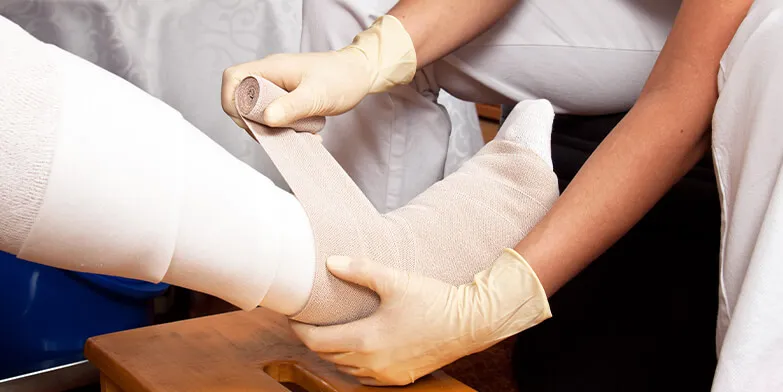
A wound care specialist evaluates the wound to determine what factors are preventing normal healing and then creates a customized treatment plan. This may include cleaning the wound, removing dead or infected tissue (debridement), controlling drainage, managing pressure on the affected area, minimizing swelling, and applying specialized bandages.
Your medical conditions, medications, mobility level, nutrition, circulation, and previous treatments will also be reviewed. SMC Physicians’ wound care focuses on supporting healing while reducing the risk of complications or wound recurrence.
What Types of Wounds Require Specialized Care?
Wounds that are not healing, keep reopening, become infected, or are worsening despite home care should be evaluated by a professional. Patients with conditions such as diabetes, vascular disease, or limited mobility may also require specialized assistance when healing is not progressing.
SMC Physicians provides care for ulcers and wounds such as:
- Diabetic foot ulcers
- Venous leg ulcers
- Arterial ischemic ulcers
- Pressure injuries
- Post-surgical wounds
- Traumatic wounds
- Atypical inflammatory wounds
Even small wounds can require attention, particularly when they occur on the feet or lower legs. A patient may not notice the early damage due to poor circulation or reduced sensation.
Why Do Some Wounds Heal Slowly?
Poor circulation is a leading cause of slow or non-healing wounds. Decreased blood flow limits the oxygen and nutrients available to repair damaged tissue. Additionally, factors like pressure, infection, inflammation, dead tissue, unmanaged blood sugar, and certain medical conditions can significantly impact the body’s ability to heal.
Diabetes, venous insufficiency, arterial disease, and bedsores can also cause wounds that do not heal quickly. Healing the wound is often only part of the solution. Addressing underlying factors that interfere with healing can also be an important part of wound care.
Why Is Diabetic Wound Care Important?
Managing blood sugar is an important part of diabetic wound care. High blood sugar can cause poor circulation and harm the nerves in your feet. Poor circulation makes it difficult for the wound to heal, and neuropathy (nerve damage) can make a patient unaware of the wound.
Preventative care and regular foot inspections are important for anyone with diabetes. Check your feet daily for cuts, redness, swelling, blisters, sores, or changes in color. Should you notice a wound forming, seek care early rather than attempting home treatment for weeks or months.
Specialized care can help remove pressure, clean the wound, manage infections, and select the proper dressing. Patients with diabetes should also schedule regular appointments with their primary care doctor to help manage the disease and prevent complications like wounds from forming.
How Does Circulation Affect Wound Healing?
Healthy circulation allows nutrients and oxygen to feed damaged tissue while also removing bacteria and excess fluid. Narrow arteries and inefficient veins can cause wounds to bleed freely, drain excessively, or fail to heal.
Venous ulcers usually form around the ankle due to blood pooling in the leg. Arterial disease can also cause slower healing wounds. Tissue requires consistent blood flow to repair itself. If there isn’t enough blood flow, injury and infection can cause serious complications.
SMC Physicians also treats patients who have vascular concerns. If poor circulation is causing delayed wound healing, our providers can work with your doctor to help manage both conditions.
What Treatments May Be Used for Chronic Wounds?
Debridement, advanced wound dressings, specialized bandages, pressure relief, antimicrobial topical applications, and skin regeneration are examples of advanced wound care. Every wound is different, and your unique health concerns, age, and wound location must be considered.
SMC Physicians’ advanced wound care treatments include collagen-based dressings, enzymatic debridement dressing, antimicrobial dressings, total contact casts, compression bandaging, orthotics and bracing, support surfaces, and mobility devices. Ultrasound debridement, allograft skin, epidermal skin harvesting, and dermal skin harvesting are a few of the advanced options.
Compression may be used for certain venous ulcers after a specialist evaluates the patient’s circulation and determines whether compression therapy is appropriate. Patients with diabetic foot ulcers may be given special off-loading devices to relieve pressure on the wound.
What Are Signs That a Wound May Be Infected?
Redness, swelling, warmth, pain, drainage, or foul odor that continues to spread or get worse can be signs of infection. If you have a fever, feel sick, or notice red streaks near the wound, seek care immediately.
Patients with diabetes or nerve damage should carefully monitor their feet for non-healing wounds because pain may not accurately reflect the severity of a wound or infection. Other signs of concern can include blackened tissue, increasing redness or swelling, fever, or a wound that continues to worsen.
Contact SMC Physicians if a wound is not healing normally or you notice signs of infection. Serious or rapidly worsening symptoms may require urgent or emergency medical attention.
Where Do Egg Harbor Township Patients Receive Wound Care?
Patients in Egg Harbor Township can receive specialized wound care at SMC Physicians’ nearby Northfield Wound Care Center. Visit our Northfield location page for current office information, including hours, directions, and available services.
Phone calls are encouraged and can be used to verify insurance, get medical advice, or check the status of your medication refill.
If you’re searching for a wound care specialist in Egg Harbor Township, NJ, the specialists at Northfield Wound Care Center can evaluate your condition and develop a personalized treatment plan for diabetic ulcers, surgical wounds, pressure injuries, venous ulcers, and other complex wounds.