Wound Care Specialist in Northfield, NJ
A wound care specialist in Northfield, NJ, can treat diabetic ulcers, circulation-related wounds, pressure injuries, surgical wounds, and other wounds that are not healing as expected. SMC Physicians’ Northfield Wound Care Center provides personalized care that treats the wound and addresses underlying causes delaying recovery.
As an open wound ages, it can become harder to heal. Specialized treatment early in the process may help control infection, protect surrounding tissue, and promote healing.
 What Does a Wound Care Specialist Do?
 What Does a Wound Care Specialist Do?
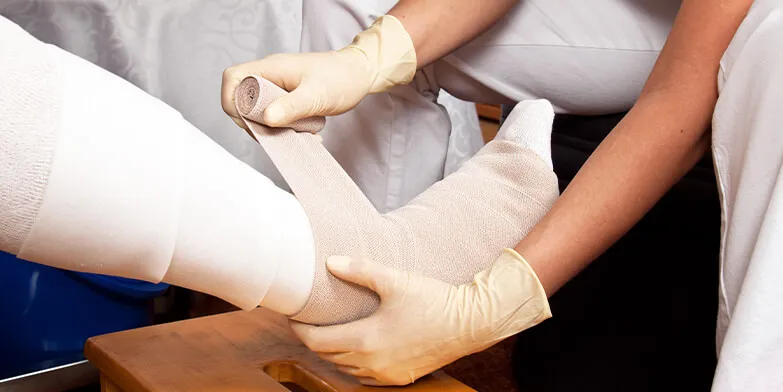
A wound care specialist will examine your open wound, determine what factors are preventing it from healing properly, and design a customized treatment plan. Treatment may involve cleaning the wound, removing damaged tissue, reducing swelling, relieving pressure, addressing circulation concerns, and selecting appropriate wound dressings.
When evaluating your wound, the specialist will consider more than its appearance. Diabetes, vascular disease, infection, mobility issues, nutrition, pressure, and more can slow tissue repair.
SMC Physicians provides comprehensive wound care near Northfield with a focus on healing wounds and reducing the chance of recurrence.
Which Wounds Require Specialized Treatment?
If your wound will not heal, remains open, repeatedly returns, worsens, or shows signs of infection, it should be evaluated by a wound care specialist. Professional treatment may also be beneficial if you have diabetes, poor circulation, mobility limitations, or other medical problems that increase your risk of complications.
Our Northfield Wound Care Center treats:
- Diabetic foot ulcers
- Venous ulcers
- Arterial ulcers
- Pressure ulcers (bedsores)
- Surgical wounds (post-operative wounds)
- Traumatic wounds
- Burns
- Skin ulcers that won’t heal
Even small wounds can require treatment. Reduced sensation or poor circulation can cause serious injuries to people with little to no awareness that they have a problem. A small sore on the foot or lower leg may require prompt evaluation, particularly for patients with reduced sensation or poor circulation.
Why Do Some Wounds Heal Slowly?
Poor circulation, pressure, infection, swelling, dead tissue, uncontrolled blood sugar, and underlying illnesses can slow or prevent wound healing. In addition, treating the symptoms without improving circulation or glucose control may cause the wound to recur once the dressing is removed.
For these reasons, professional wound care often involves coordinating with your vascular specialist, diabetes care provider, primary care physician, or another member of your healthcare team.
Learn more about selecting a wound care specialist near you in the SMC Physicians resource. It breaks down how specialized treatment combines wound care with treatment of factors that prevent wound healing.
Why Is Diabetic Wound Care Important?
Left unchecked, diabetic wounds can cause serious complications and, in some cases, may lead to amputation. Diabetic nerve damage may prevent patients from feeling injuries to their feet, while decreased circulation associated with diabetes can also slow tissue repair.
A blister, cut, scrape, or pressure sore can develop into a larger ulcer without a patient noticing. According to the CDC, neuropathy (nerve damage) and decreased blood flow increase the risk of foot ulcers.
Because these wounds may go unnoticed, it’s important for people with diabetes to regularly inspect their feet for cuts, blisters, sores, or other changes and seek care if they notice signs of a wound or infection.
How Are Chronic Wounds Evaluated?
During your evaluation, the wound care specialist will look at the size, depth, drainage, type of tissue in the wound, surrounding skin, and signs of infection. Your circulation, swelling on the affected side, sensation in the injured area, mobility, pressure, medications, and treatment history may also be discussed.
If our doctor suspects infection, poor circulation, or deep tissue involvement, they may recommend additional testing. Regardless of your wound type, each treatment plan is personalized to address the factors preventing normal wound healing.
The Northfield Wound Care Center is led by board-certified physicians Dr. Francis Previti and Dr. Carlos Penaloza. Both providers offer wound care and vascular care services through SMC Physicians.
What Treatments Are Available at the Northfield Wound Care Center?
Treatment options are determined by the cause of your wound, its severity, location on your body, and its current condition. In addition to conventional therapies, we offer advanced dressings, pressure relief strategies, compression treatment, wound debridement, and tissue-based technologies.
Our doctors utilize a variety of therapies to support wound healing, including:
- Collagen-based dressings
- Antimicrobial dressings
- Total contact casting
- Compression bandages
- Orthotics
- Bracing
- Support surfaces
- Mobility products
We also offer advanced wound care options such as:
- Ultrasonic wound debridement
- Skin grafts (allografts)
- Epidermal skin harvesting
- Dermal skin harvesting
Click here to read our patient guide to advanced wound care near Northfield for information about debridement, wound dressings, compression treatment, pressure relief strategies (“offloading”), and tissue grafts.
How Does Circulation Affect Wound Healing?
In order for damaged tissue to heal, your wound needs adequate blood flow to bring nutrients and oxygen to the injury. Peripheral artery disease can reduce the blood flow needed to deliver oxygen and nutrients to the affected tissue.
Venous ulcers may require treatment that focuses on reducing swelling and pressure in the legs. Compression treatment may be recommended after your care team evaluates your circulation and determines that you can safely use compression stockings.
SMC Physicians also provides vascular care near Northfield for patients who have conditions affecting their arteries, veins, and lymphatic system. Addressing both wound care and underlying vascular disease can help support circulation and reduce the risk of additional wounds.
What Are the Signs of a Wound Infection?
Wound infections are characterized by increasing redness, swelling, pain, drainage, warmth, or odor near the wound. Fever, red streaks leading from the wound, rapidly spreading discoloration, or damaged tissue also require immediate medical care.
Patients with diabetes or other conditions that limit sensation should contact their doctor if they think their wound is infected, even if there is little or no pain. Without sufficient sensation, patients can experience serious infections without realizing it.
Symptoms that require emergency care or an immediate appointment include extreme pain, rapidly spreading redness, blackened tissue, severe swelling, drainage, fever, or confusion.
Where Is the Northfield Wound Care Center?
SMC Physicians’ Northfield Wound Care Center provides specialized wound care for patients in Northfield and surrounding South Jersey communities.
Visit our Northfield Wound Care Center location page for current office information, including hours, directions, providers, and available services.
How Can You Schedule Wound Care in Northfield?
See a wound care specialist in Northfield, NJ, to have your slow-healing or difficult wound evaluated. Our doctors will work with you to create a recovery-based treatment plan that also reduces your risk of future wounds. Call the Northfield Wound Care Center at (609) 377-5150 or request an appointment online.