


Wound Care
Atypical Inflammatory Wounds
Atypical inflammatory wounds are wounds that occur as a result of an inflammatory, autoimmune, or other systemic medical issue. They can occur on their own or as symptoms of an underlying disease. Since they often have rare causes and can present with unusual characteristics, atypical inflammatory wounds may be difficult to diagnose and treat. Patients with persistent wounds that don’t respond to treatment should seek the care of a wound care specialist.
What Are Atypical Inflammatory Wounds?
Atypical inflammatory wounds can develop as the result of an autoimmune or inflammatory condition. In some people, inflammation can attack healthy tissue and disrupt normal healing processes.
If you have an underlying condition that causes unusual wounds to develop, prompt diagnosis and treatment of both the wound and the disease is critical to helping you heal.
What Conditions Can Cause Atypical Inflammatory Wounds?
Numerous inflammatory conditions have been linked to atypical wounds.
Some common conditions associated with atypical wounds include:
- Rheumatoid arthritis
- Lupus
- Vasculitis
- Inflammatory bowel disease
- Pyoderma gangrenosum
- Connective tissue disorders
- Blood disorders
- Other autoimmune diseases
Autoimmune disorders and inflammatory conditions can affect your immune system and your blood vessels, making wound healing difficult.
What Are the Symptoms of Atypical Inflammatory Wounds?
Atypical inflammatory wounds can have many different appearances. Many people who develop these wounds experience wounds that don’t respond to typical wound care or care that gets worse over time.
Symptoms of atypical inflammatory wounds include:
- Painful ulcer(s) or open wound(s)
- Rapid enlargement of the wound
- Wound edges are not clearly defined
- Increased inflammation around the wound area
- Skin discoloration around wound
- Tissue damage without any history of injury
- Slow or no healing of the wound
- Chronic wounds
If you have an underlying inflammatory disease, you may experience additional symptoms associated with your condition. Common symptoms of inflammatory diseases include joint pain, fatigue, digestive problems, and skin lesions.
Why Can These Wounds Be Difficult to Diagnose?
Atypical inflammatory wounds can resemble other chronic wounds. Without an obvious cause, patients are often treated for other types of wounds until an accurate diagnosis is determined.
A wound care specialist will likely review your medical history, perform a physical exam, conduct diagnostic tests, and work with your other medical providers to see if you have any underlying diseases.
How Are Atypical Inflammatory Wounds Treated?
Doctors try to manage inflammation, treat the underlying disease, and promote wound healing when caring for patients with atypical wounds. Here at SMC Physicians, we know how to approach wounds that may be caused by an inflammatory process. Our wound care specialists will work with you to assess any factors that may be preventing your wound from healing and create an effective treatment plan.
At SMC Physicians, we can provide:
- Advanced wound dressings
- Debridement when necessary
- Prevention and treatment of infection
- Wound healing treatments
- Care coordination with your other doctors who may be treating you for an autoimmune or inflammatory disease
- Wound monitoring
- Patient education and long-term wound care management
Because each patient is different, your atypical wound care plan will be customized to your specific condition.
When Should You Seek Specialized Wound Care?
If you have a wound that doesn’t heal, gets larger, or continues to return after healing, you should visit a wound care specialist. Diseases that cause inflammation can have serious impacts on wound healing so early diagnosis and treatment can play an important role in your recovery.
Patients who already have autoimmune conditions or disorders should consult their doctor if new wounds appear or existing wounds do not heal.
Why Is Comprehensive Care Important?
In some cases, atypical wounds can be treated and managed by taking care of the underlying disease. In other cases, you may need wound care to promote wound healing. Caring for your wound while treating the cause of the inflammation can help you feel better and prevent other issues from occurring.
Your doctor may need to closely monitor your wounds for the long-term to prevent recurrence.
Trust SMC Physicians for Atypical Inflammatory Wound Care
Atypical inflammatory wounds can develop when you have an autoimmune disease. If you have a chronic wound that is not healing with traditional wound care, you may have atypical inflammatory wounds. The wound care specialists at SMC Physicians in Northfield, NJ, can perform a thorough evaluation of your wounds and determine what advanced treatment options you need. Our goal is to provide effective treatment plans to heal complex wounds and promote long-term wound healing.
To learn more about atypical inflammatory wounds call (609) 377-5150 or request an appointment online with our wound care specialists.
Chronic Wounds & Conditions
Therapies
Advanced Technologies & Treatments
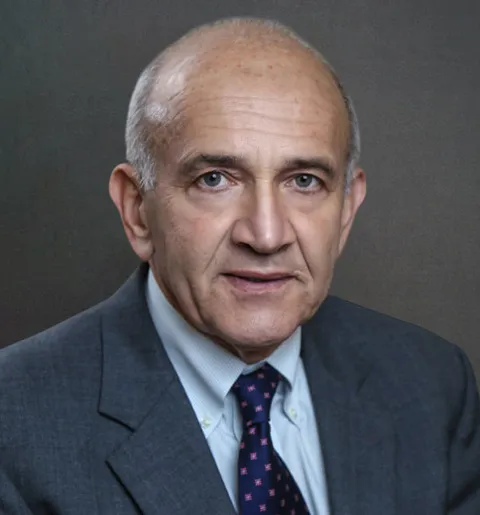
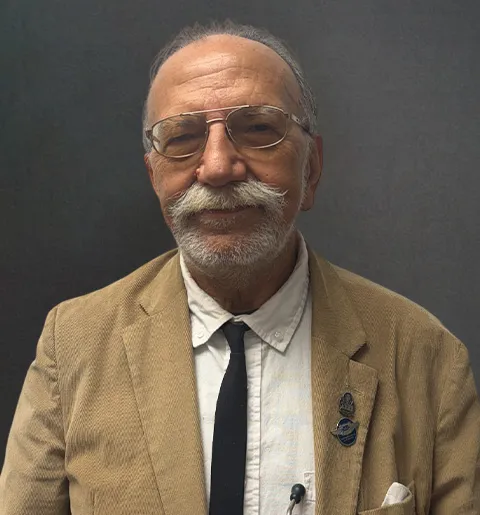
Our Wound Care Specialists
Wound Care Locations:
Northfield (Wound Care)
1601 Tilton Rd, Suite 3, Northfield, NJ 08225
Hours:
Monday: 8:30am-5pm
Tuesday: 8:30am-5pm
Wednesday: 8:30am-5pm
Thursday: 8:30am-5pm
Friday: 8:30am-5pm