
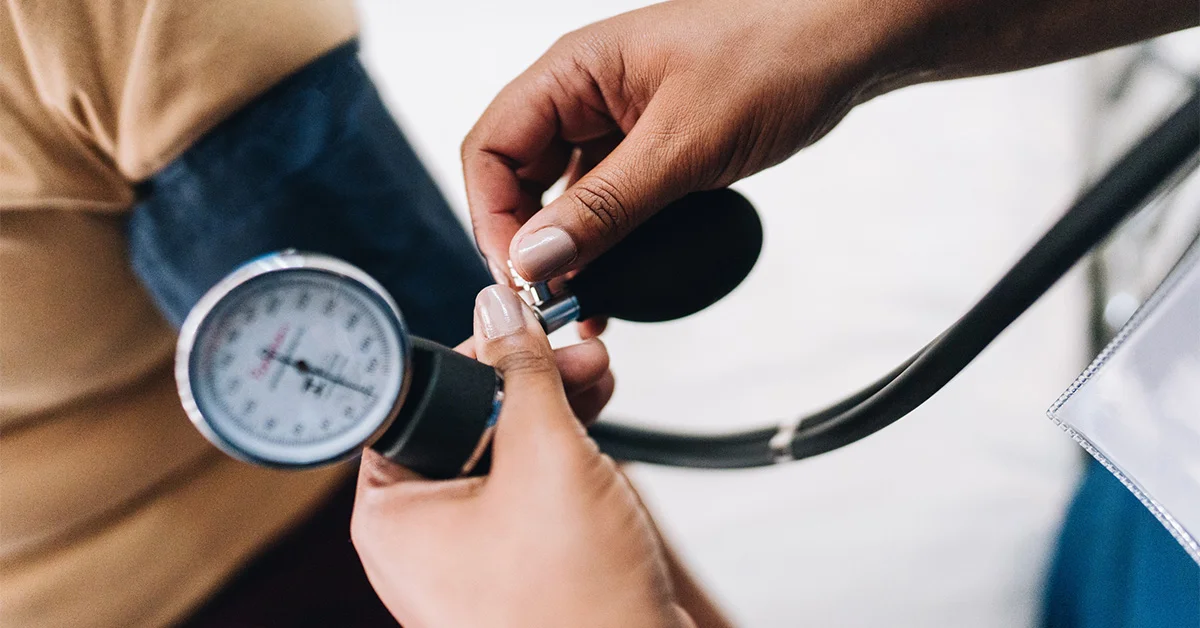
You have probably had your blood pressure checked countless times. A cuff goes around your arm, two numbers appear on the monitor, and unless someone tells you they are too high or too low, you may not give them much thought.
But what do those two numbers actually tell you?
Blood pressure is one of the simplest ways to get important information about your cardiovascular health. Understanding your numbers can also help you recognize changes over time and know when a pattern may be worth a closer look.
What Do the Two Blood Pressure Numbers Measure?
A blood pressure reading contains two numbers and is measured in millimeters of mercury, or mm Hg.
The top number is your systolic blood pressure. It measures the pressure in your arteries when your heart contracts and pumps blood.
The bottom number is your diastolic blood pressure. It measures the pressure in your arteries while your heart relaxes between beats.
For example, a reading of 118/76 mm Hg means the systolic pressure is 118 and the diastolic pressure is 76.
Both numbers matter when evaluating blood pressure.
What Is Considered a Normal Blood Pressure?
According to current American Heart Association and American College of Cardiology guidelines, blood pressure for adults is generally categorized as:
- Normal: Less than 120 systolic and less than 80 diastolic
- Elevated: 120–129 systolic and less than 80 diastolic
- Stage 1 hypertension: 130–139 systolic or 80–89 diastolic
- Stage 2 hypertension: 140 or higher systolic or 90 or higher diastolic
A blood pressure reading above 180 systolic and/or 120 diastolic is considered severely elevated and requires prompt attention, particularly if symptoms are present.
These ranges provide useful guidance, but your individual health, age, medical history, medications, and other factors also matter. Your physician can help determine what blood pressure goals are appropriate for you.
One High Reading Doesn’t Always Mean You Have Hypertension
Seeing an unexpectedly high number can be concerning, but blood pressure naturally fluctuates throughout the day.
Exercise, stress, caffeine, pain, certain medications, a full bladder, and even feeling nervous during a medical appointment can temporarily affect a reading.
That is why hypertension usually isn’t diagnosed based on one isolated measurement. A pattern of readings over time provides a much more useful picture.
If your blood pressure is elevated during an appointment, your physician may recommend checking it again or monitoring your readings at home.
Why High Blood Pressure Is Easy to Miss
One reason regular blood pressure checks are so important is that hypertension often does not cause obvious symptoms.
You can feel perfectly well while your blood pressure remains consistently elevated.
Over time, uncontrolled high blood pressure can place additional strain on the heart and blood vessels and contribute to problems involving the heart, kidneys, brain, and other organs.
Knowing your numbers gives you an opportunity to identify a potential problem before symptoms or complications develop.
Checking Your Blood Pressure at Home
Home monitoring can provide useful information about what your blood pressure looks like outside of a medical office, but technique matters.
For a more accurate reading:
- Avoid exercise, caffeine, and smoking for at least 30 minutes beforehand.
- Empty your bladder before checking your blood pressure.
- Sit quietly for about five minutes before taking a measurement.
- Keep your back supported and both feet flat on the floor.
- Rest your arm on a surface so the cuff is approximately at heart level.
- Place the cuff on bare skin rather than over clothing.
- Avoid talking or using your phone while the measurement is being taken.
Using a properly sized upper-arm cuff is also important. A cuff that does not fit correctly can affect the accuracy of your reading.
If you are monitoring at home, keeping a record of your measurements can help your physician identify trends rather than relying on a single number.
When Should You Be Concerned About Your Numbers?
If your readings are regularly higher than the normal range, don’t wait for symptoms before bringing them up with your doctor.
Consistently elevated blood pressure does not necessarily mean you will need medication. Depending on your readings and overall health, treatment may include changes involving nutrition, sodium intake, physical activity, weight management, stress, medication, or a combination of approaches.
Very high readings deserve more immediate attention. If your blood pressure is above 180/120 mm Hg, repeat the measurement after a short period of rest. If it remains that high, seek prompt medical guidance. If a severely elevated reading occurs along with chest pain, shortness of breath, weakness or numbness, difficulty speaking, vision changes, or other concerning symptoms, seek emergency medical care.
Know Your Numbers, Not Just Your Latest Reading
Blood pressure is most useful when you think of it as a pattern rather than a single test result.
Knowing your usual range, having your blood pressure checked regularly, and paying attention to changes can help you take a more active role in protecting your health.
At SMC Physicians, our Nephrology, Hypertension, and Cardiology specialists provide evaluation and ongoing management for patients with high blood pressure and conditions that can affect kidney and cardiovascular health. If your blood pressure has been consistently elevated or you have questions about what your readings mean, contact our team to request an appointment.
Follow us on social: